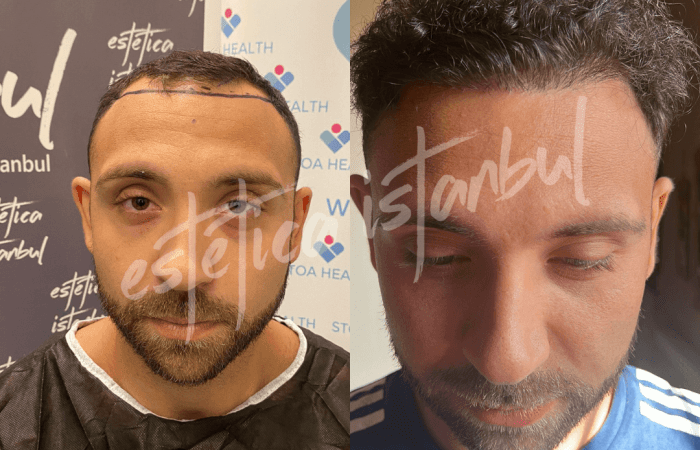
Aftercare tips for hair transplant patients in Turkey
Importance of Aftercare in Hair Transplant: Aftercare Tips For Hair Transplant Patients In Turkey
Aftercare tips for hair transplant patients in Turkey – Proper aftercare following a hair transplant is crucial for achieving optimal results and ensuring the health of your new hair follicles. In Turkey, where numerous clinics offer advanced hair restoration procedures, understanding the significance of aftercare can make a significant difference in your recovery journey. Neglecting aftercare routines can lead to complications such as infections, poor hair growth, and overall dissatisfaction with the results.Aftercare plays a vital role in ensuring the successful growth of transplanted hair.
It involves following specific guidelines that help protect the delicate grafts and promote healing. Patients who adhere to aftercare instructions typically experience better outcomes, increased hair density, and higher satisfaction levels with their new hair.
Immediate Post-Procedure Care
Following your hair transplant procedure, immediate care is essential for safeguarding your results. Here is a detailed checklist of what to do right after the surgery:
- Keep your head elevated for the first few days to minimize swelling.
- Avoid touching or scratching the transplanted area.
- Use prescribed medications, such as antibiotics and anti-inflammatories, as directed by your surgeon.
- Wear a loose-fitting hat or bandage for protection, especially during the first few days.
- Follow any specific washing instructions provided by your clinic.
A timeline for aftercare is crucial. Typically, patients should start gentle washing after 48 hours, resume normal activities within a week, and avoid vigorous exercise for at least two weeks. Clinics in Turkey often recommend patients refrain from direct sunlight exposure for several weeks to protect the grafts.
Daily Hair Care Routine
Establishing a daily hair care routine after your transplant is vital for maintaining the health of your new hair. Here are essential practices to follow:
- Use a mild, sulfate-free shampoo designed for sensitive scalps.
- Wash your hair gently, using lukewarm water and avoiding harsh scrubbing.
- Pat your hair dry with a soft towel instead of rubbing it.
- Limit the use of styling products for at least a month.
- Avoid hairstyles that pull on the hair, such as tight ponytails.
It’s important to avoid chemical treatments like dyes or perms during the early recovery phase, as these can irritate the scalp and affect healing.
Nutrition and Hydration, Aftercare tips for hair transplant patients in Turkey
Diet plays a significant role in promoting hair growth after a transplant. Incorporating the following dietary recommendations can support your recovery:
- Eat a balanced diet rich in protein, which is essential for hair health.
- Include plenty of fruits and vegetables, which provide necessary vitamins and antioxidants.
- Focus on foods high in omega-3 fatty acids, such as fish and nuts, to nourish the scalp.
Hydration is equally important. Aim to drink at least 8-10 glasses of water daily to keep your body and scalp hydrated. Specific vitamins and minerals, such as Biotin, Zinc, and Vitamin E, are particularly beneficial for hair health and should be included in your diet.
Managing Discomfort and Side Effects
Experiencing discomfort and swelling in the transplant area is common after the procedure. To alleviate these symptoms, consider the following methods:
- Apply cold compresses to the forehead to reduce swelling, particularly in the first few days.
- Take over-the-counter pain relievers, like ibuprofen, as advised by your surgeon.
- Keep your head elevated while sleeping to minimize swelling.
Common side effects include redness, itching, and scabbing. Most of these symptoms are temporary and can be managed with proper care. Always consult your doctor before using any medication.
Follow-Up Appointments
Attending follow-up appointments with your hair transplant surgeon is crucial for monitoring your recovery. During these visits, your surgeon will assess the progress of hair growth and the overall health of your scalp.Patients can expect to have their grafts checked and receive guidance on any concerns they may have. Effective communication during these follow-ups is key; be sure to discuss any issues or changes you notice since your last visit.
Long-Term Hair Care and Maintenance
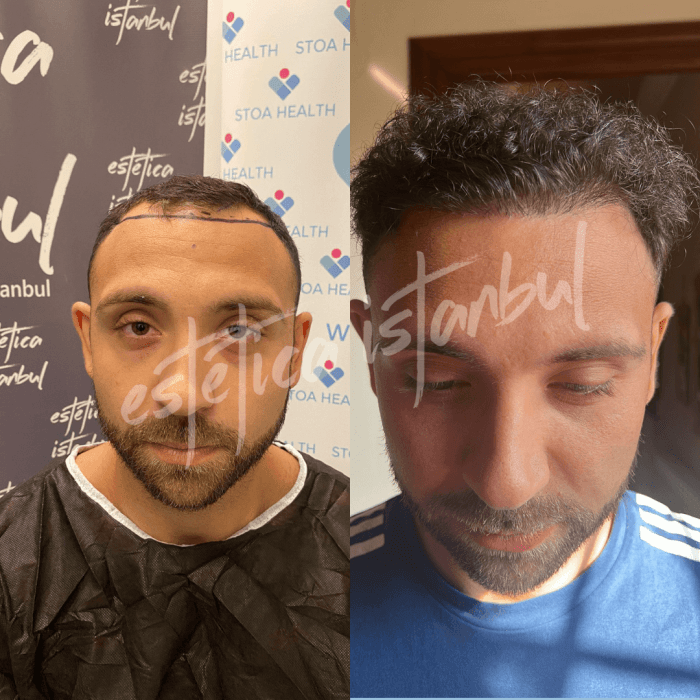
Maintaining the health of your hair long after the transplant requires ongoing care. Here are some strategies for long-term hair maintenance:
- Continue using gentle, sulfate-free shampoos and conditioners.
- Schedule routine trims to keep your hair healthy and remove split ends.
- Consider periodic treatments such as PRP (Platelet-Rich Plasma) therapy to promote hair health.
Consult with your hair care specialist for recommendations on products specifically formulated for post-transplant patients to ensure the best results.
Avoiding Common Mistakes
Many patients make mistakes during their recovery, which can hinder results. Here are common pitfalls to avoid:
- Resuming normal activities too quickly, especially vigorous exercise or swimming.
- Ignoring the doctor’s post-operative instructions.
- Using harsh hair products before your scalp has fully healed.
Debunking myths surrounding hair transplant aftercare is also vital. For instance, some believe that washing hair too soon can damage grafts, but gentle washing is often encouraged after a couple of days. Learning from experienced patients can provide valuable insights into best practices for your recovery.
FILED UNDER : hair care
TAG : aftercare, hair restoration, hair transplant, scalp health, Turkey