admin / January 7, 2026

Top Tips for Maintaining a Healthy Weight: Simple and Effective Strategies

Tips for Maintaining a Healthy Weight

Maintaining a healthy weight is an important aspect of overall health and well-being. It not only improves your physical appearance but also lowers your risk for chronic conditions like heart disease, diabetes, and high blood pressure. Achieving and sustaining a healthy weight isn’t about extreme dieting or temporary fixes—it’s about making sustainable lifestyle changes that promote long-term health. Here are some simple yet effective tips for maintaining a healthy weight:

1. Adopt a Balanced Diet

Eating a balanced diet rich in whole foods is key to maintaining a healthy weight. Focus on eating a variety of nutrient-dense foods such as vegetables, fruits, lean proteins, whole grains, and healthy fats. Aim for meals that include a balance of macronutrients—proteins, carbohydrates, and fats—while limiting processed foods and sugary snacks.

Tip: Fill half your plate with vegetables, a quarter with lean protein, and a quarter with whole grains to maintain a balanced meal.

2. Watch Portion Sizes

Even healthy foods can contribute to weight gain if you eat them in large quantities. Being mindful of portion sizes helps you control your calorie intake. Over time, your body becomes accustomed to the right portion sizes, making it easier to maintain a healthy weight.

Tip: Use smaller plates to help control portions, and try to eat slowly to give your brain time to register fullness.

3. Stay Hydrated

Water plays a crucial role in maintaining a healthy weight. Sometimes, thirst is mistaken for hunger, leading to overeating. Drinking plenty of water throughout the day helps keep hunger at bay and supports your metabolism.

Tip: Aim for at least 8 cups of water per day, and start meals with a glass of water to curb overeating.

4. Exercise Regularly

Regular physical activity is essential for maintaining a healthy weight. Exercise helps burn calories, build muscle, and improve your metabolism. Incorporating both cardiovascular and strength-training exercises into your routine can help you achieve a well-rounded fitness program.

Tip: Aim for at least 150 minutes of moderate-intensity exercise per week, such as brisk walking, cycling, or swimming.

5. Get Enough Sleep

Sleep is often overlooked when it comes to weight management, but it plays a critical role. Poor sleep can disrupt the hormones that regulate hunger and appetite, leading to overeating and weight gain. Ensuring you get 7-9 hours of quality sleep each night can help balance these hormones.

Tip: Establish a regular sleep routine, avoid caffeine in the afternoon, and create a relaxing environment for better sleep quality.

6. Manage Stress Effectively

Chronic stress can contribute to weight gain by triggering emotional eating and disrupting your metabolism. Learning how to manage stress effectively can prevent these negative effects. Try relaxation techniques like meditation, yoga, or deep breathing to reduce stress levels.

Tip: Practice mindfulness or take a 10-minute walk outdoors when you feel stressed to clear your mind and avoid stress-related eating.

7. Track Your Progress

Keeping track of your food intake, exercise, and weight can help you stay on track and identify any patterns or areas where you may need to improve. Use a journal or a mobile app to monitor your habits and set realistic goals.

Tip: Record your meals, workouts, and emotional triggers for food to gain a better understanding of your habits and make adjustments where necessary.

8. Limit Added Sugars and Processed Foods

Added sugars and processed foods can contribute to weight gain by providing empty calories that offer little nutritional value. Focus on whole foods like fresh fruits, vegetables, and lean proteins to nourish your body and support weight management.

Tip: Read food labels to check for hidden sugars, and opt for natural sweeteners like honey or stevia when needed.

9. Eat Mindfully

Mindful eating involves paying full attention to the food you’re eating, savoring each bite, and listening to your body’s hunger and fullness cues. This approach helps prevent overeating and promotes a healthier relationship with food.

Tip: Avoid distractions like watching TV while eating, and focus on the taste, texture, and aroma of your food.

10. Set Realistic Goals

Setting achievable and realistic weight management goals is essential for long-term success. Aim for gradual, sustainable changes rather than quick fixes. Healthy weight management is a marathon, not a sprint.

Tip: Start by setting small, measurable goals, like losing 1-2 pounds per week or exercising three times a week, and celebrate your progress along the way.


admin / January 7, 2026

Natural Ways to Reduce Anxiety: Effective and Simple Techniques

Natural Ways to Reduce Anxiety

Anxiety affects millions of people worldwide and can manifest in various forms, from occasional nervousness to chronic, debilitating worry. While medical treatments and therapies can be helpful, many individuals seek natural ways to reduce anxiety, relying on techniques that are accessible, simple, and effective. If you’re looking to manage anxiety without medication, here are five natural methods to help ease your mind and promote a sense of calm.

1. Practice Deep Breathing Exercises

Deep breathing is one of the most effective and immediate ways to calm your nerves when anxiety strikes. When you’re anxious, your breathing often becomes shallow and quick, which can exacerbate feelings of panic. Deep breathing exercises help activate your body’s parasympathetic nervous system, which is responsible for the “rest and digest” response.

How to practice: Sit in a comfortable position and take a slow, deep breath through your nose for a count of four. Hold the breath for four counts, then exhale slowly through your mouth for a count of four. Repeat for a few minutes until you feel calmer.

2. Engage in Physical Activity

Exercise is a powerful way to reduce anxiety and boost your mood naturally. Physical activity increases the production of endorphins, which are chemicals in the brain that act as natural painkillers and mood elevators. Regular exercise can also reduce the body’s levels of cortisol, the hormone associated with stress.

How to incorporate: Aim for at least 30 minutes of moderate exercise a day. Activities such as walking, jogging, yoga, or even dancing can significantly help reduce anxiety.

3. Try Mindfulness and Meditation

Mindfulness meditation is a practice that involves staying present in the moment and observing your thoughts without judgment. This technique can help reduce anxiety by allowing you to distance yourself from negative thoughts and stress. Mindfulness helps you recognize anxious feelings without becoming overwhelmed by them.

How to practice: Find a quiet space, close your eyes, and focus on your breath. As thoughts arise, simply acknowledge them and let them go. Start with just 5-10 minutes each day and gradually increase the time.

4. Use Herbal Remedies

Certain herbs have been shown to help reduce anxiety naturally. Lavender, chamomile, and passionflower are all known for their calming effects. Drinking herbal teas or using essential oils can be an effective and natural way to manage anxiety.

How to incorporate: Brew a cup of chamomile or lavender tea before bed to calm your nerves. Alternatively, diffuse lavender essential oil in your room or apply it to your skin (mixed with a carrier oil) for its soothing effects.

5. Establish a Healthy Sleep Routine

Sleep plays a critical role in mental health. Lack of sleep or poor sleep quality can contribute to increased anxiety and stress levels. Ensuring that you get a restful night’s sleep can help regulate your mood and reduce anxiety.

How to improve your sleep: Create a calming bedtime routine, avoid caffeine and electronics at least an hour before bed, and try relaxation techniques such as reading or listening to calming music.

admin / January 7, 2026

Top Foods That Promote Skin Health: Natural Ways to Glow

Foods That Promote Skin Health


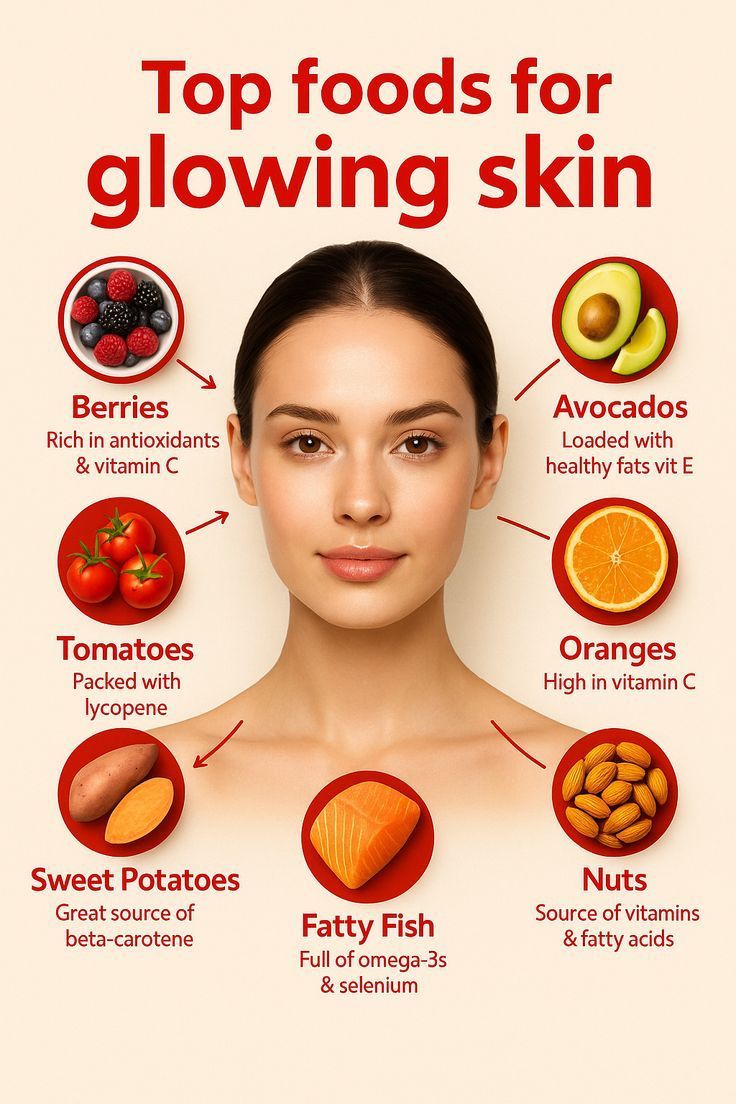
A glowing, youthful complexion starts from the inside out. One of the most effective ways to achieve radiant skin is by focusing on the food you eat. While skincare products can help, nourishing your skin with the right nutrients is a natural and sustainable approach. Certain foods are packed with vitamins, minerals, and antioxidants that help maintain your skin’s elasticity, combat aging, and protect it from harmful free radicals. In this article, we explore 10 foods that promote skin health, along with tips on how to incorporate them into your diet.

1. Avocados: The Skin Hydration Hero

Avocados are a powerhouse of nutrients, particularly healthy fats and vitamins C and E, which are essential for maintaining healthy skin. The monounsaturated fats in avocados help to keep the skin hydrated, while vitamin E protects the skin from oxidative stress. Vitamin C plays a key role in collagen production, which is vital for skin elasticity.

How to incorporate: Add slices of avocado to your salad, blend it into smoothies, or spread it on whole-grain toast for a delicious and skin-nourishing meal.

2. Berries: Antioxidant-Rich Powerhouses

Berries such as blueberries, strawberries, and raspberries are rich in antioxidants, particularly vitamin C. These antioxidants help fight free radicals, which can damage the skin cells and lead to premature aging. Vitamin C is also crucial for collagen synthesis, keeping the skin firm and elastic.

How to incorporate: Enjoy berries as a snack, mix them into your morning yogurt, or add them to your smoothies for a burst of flavor and skin benefits.

3. Tomatoes: A Natural Sunscreen

Tomatoes are packed with lycopene, a potent antioxidant that has been shown to protect the skin from harmful UV rays. Lycopene not only helps reduce skin redness caused by sun exposure but also contributes to a more even skin tone. Additionally, tomatoes are rich in vitamin C, which supports collagen production.

How to incorporate: Use tomatoes in salads, pasta sauces, or make fresh tomato juice to reap the skin benefits.

4. Nuts and Seeds: Healthy Fats for Soft Skin

Nuts and seeds, such as almonds, walnuts, and chia seeds, are excellent sources of omega-3 fatty acids, which help to keep the skin hydrated and plump. Omega-3 fatty acids also reduce inflammation, which can improve conditions like acne and eczema. In addition, these foods are rich in vitamin E, an antioxidant that helps protect the skin from UV damage.

How to incorporate: Snack on a handful of mixed nuts and seeds, sprinkle them on your salads, or blend them into your smoothies.

5. Sweet Potatoes: A Vitamin A-Rich Snack

Sweet potatoes are a great source of beta-carotene, which the body converts into vitamin A. Vitamin A is essential for skin cell production and repair. It also helps to prevent skin dryness and flakiness. Beta-carotene has antioxidant properties, which can help protect the skin from sun damage and slow down the aging process.

How to incorporate: Roast sweet potato wedges, mash them, or add them to soups for a delicious and skin-boosting meal.

6. Spinach: The Green Powerhouse

Spinach is packed with vitamins A, C, and K, which are essential for maintaining healthy skin. Vitamin A helps with skin cell turnover, ensuring that your skin stays smooth and free from blemishes. Vitamin C, as mentioned earlier, supports collagen production, while vitamin K helps reduce dark circles and improves skin elasticity.

How to incorporate: Add spinach to your smoothies, toss it in salads, or sauté it as a side dish.

7. Citrus Fruits: Vitamin C for Collagen Production

Citrus fruits like oranges, lemons, and grapefruits are packed with vitamin C, which is a critical component in collagen production. Collagen is the protein responsible for the skin’s strength, elasticity, and firmness. Vitamin C also acts as an antioxidant, protecting the skin from free radical damage.

How to incorporate: Start your day with a glass of fresh orange juice, or add lemon wedges to your water for a refreshing and skin-friendly drink.

8. Green Tea: Skin-Soothing Antioxidants

Green tea is loaded with polyphenols, particularly epigallocatechin gallate (EGCG), which is known for its anti-inflammatory properties. This powerful antioxidant helps reduce the appearance of redness, puffiness, and wrinkles. Green tea also helps fight free radicals, preventing premature aging.

How to incorporate: Drink green tea regularly, or use cooled green tea bags as an eye mask to reduce puffiness and soothe the skin.

9. Carrots: The Beta-Carotene Boost

Carrots are rich in beta-carotene, a precursor to vitamin A, which is essential for maintaining healthy skin. Beta-carotene helps protect the skin from sun damage, reducing the appearance of fine lines and wrinkles. It also contributes to a healthy, glowing complexion.

How to incorporate: Snack on raw carrots, add them to salads, or include them in stews and soups for a skin-friendly addition to your meals.

10. Dark Chocolate: The Skin’s Sweet Treat

Dark chocolate, particularly varieties with 70% cocoa or higher, contains flavonoids, which have antioxidant properties that help protect the skin from UV damage. Studies have shown that moderate consumption of dark chocolate can improve skin hydration, reduce redness, and enhance the skin’s texture.

How to incorporate: Enjoy a small square of dark chocolate as a treat, or sprinkle cocoa powder over your smoothies or oatmeal.

admin / December 9, 2025

Health medical management for better healthcare outcomes

Health medical management is a crucial aspect of healthcare systems that focuses on optimizing patient care, resources, and healthcare operations. It encompasses a wide range of practices aimed at ensuring that patients receive high-quality care while managing costs and improving outcomes. Effective health medical management is vital as it enhances the efficiency of healthcare delivery, improves patient safety, and promotes better health outcomes.The importance of health medical management lies in its ability to streamline processes, reduce redundancies, and improve patient satisfaction.

Key components of health medical management include strategic planning, quality management, resource allocation, and performance evaluation. Together, these components contribute to a more efficient and effective healthcare system.

Roles and Responsibilities in Health Medical Management

In health medical management, various roles contribute to the overall success of healthcare delivery. These roles include healthcare administrators, clinical managers, data analysts, and quality improvement specialists. Each of these professionals plays a distinct part in managing healthcare processes and ensuring optimal patient care.Healthcare professionals involved in health medical management share responsibilities that range from administrative tasks to clinical oversight.

Administrators focus on operations and policy compliance, while clinical managers oversee patient care protocols. The collaboration among these roles is significant, as it encourages the sharing of insights and strategies that lead to improved healthcare outcomes.

Strategies for Effective Health Medical Management

Implementing effective health medical management requires a strategic approach. Best practices for this include establishing clear communication channels, utilizing evidence-based guidelines, and fostering teamwork among healthcare providers. These practices ensure that all team members are aligned in their goals and objectives.To improve patient outcomes, health medical management can employ methods such as patient education programs, regular performance assessments, and personalized care plans.

Technology tools, such as electronic health records and telehealth platforms, support these strategies by facilitating better data sharing and communication.

Challenges in Health Medical Management

Health medical management

Despite its importance, health medical management faces several common challenges. These can include resistance to change, insufficient resources, and communication breakdowns among team members. Case studies have illustrated instances where organizations successfully navigated these challenges by adopting flexible management strategies and investing in staff training.Overcoming barriers such as limited funding and inadequate technology requires a proactive approach, including seeking partnerships and leveraging community resources to enhance health services.

Future Trends in Health Medical Management

Emerging trends are continuously shaping health medical management. Innovations in telemedicine, personalized medicine, and artificial intelligence are redefining how healthcare is delivered and managed. These advancements are expected to enhance patient care, streamline processes, and reduce costs significantly.The potential impacts of technology advancements on health medical management include improved patient tracking and more efficient data management. Data analytics will play a crucial role in the future by providing insights that guide decision-making and optimize healthcare delivery.

Patient Engagement in Health Medical Management

Enhancing patient engagement is essential in health medical management. Strategies to increase engagement include personalized communication, involving patients in care decisions, and utilizing technology to facilitate interactions. Successful patient engagement initiatives often lead to higher satisfaction rates and improved health outcomes.Communication plays a pivotal role in fostering patient engagement. By ensuring that patients feel heard and understood, healthcare providers can build trust and encourage adherence to treatment plans.

Health Medical Management Policies and Regulations

The regulatory environment surrounding health medical management is complex and constantly evolving. Policies at local, state, and federal levels influence how healthcare is delivered and managed. Understanding these regulations is critical for healthcare professionals to ensure compliance and improve service delivery.Key legislation that impacts health medical management practices includes the Affordable Care Act and various privacy regulations. These laws shape the framework within which healthcare organizations operate, affecting everything from patient care to billing practices.

Evaluating Health Medical Management Programs

A robust framework for evaluating the effectiveness of health medical management programs includes defining clear objectives, collecting relevant data, and analyzing performance metrics. Metrics such as patient satisfaction scores, readmission rates, and operational efficiency indicators are vital for assessing management success.Continuous improvement is essential in evaluating health medical management. Regular assessments allow organizations to identify areas for enhancement and implement necessary changes, ensuring that care delivery remains aligned with best practices and patient needs.